Bowflex Max Trainer Review: Is It Still One of the Best Home Cardio Machines in 2026?
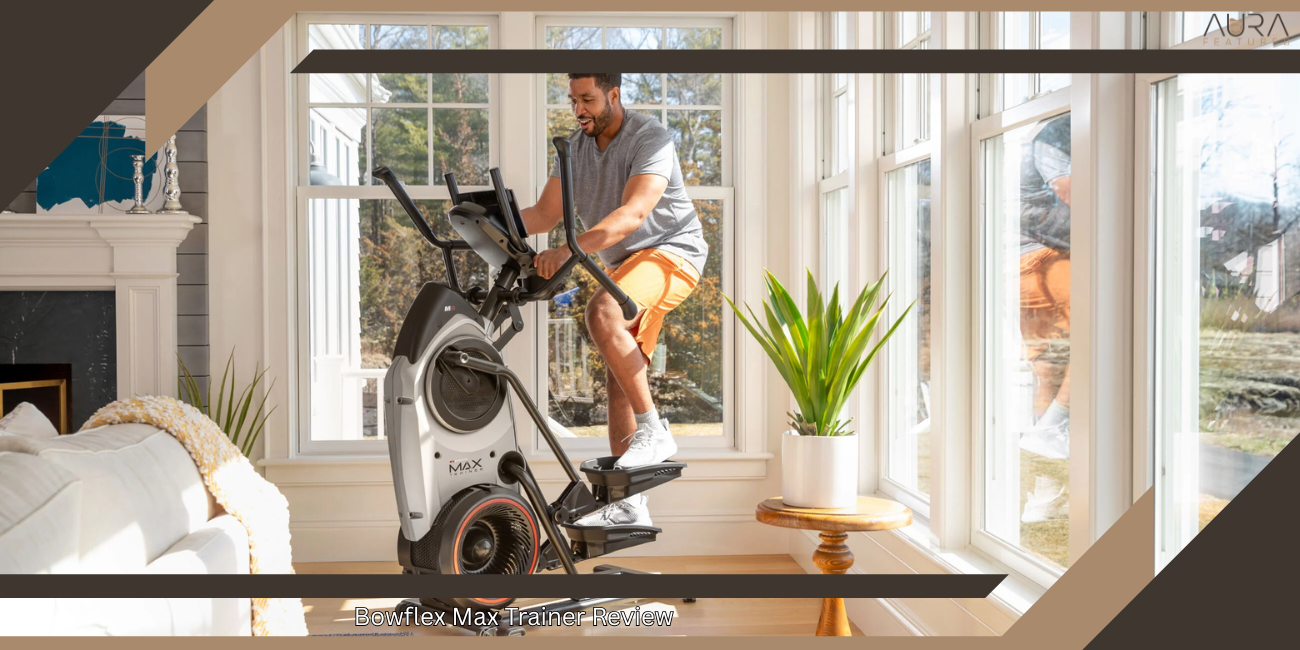
The home fitness space has changed a lot in the past few years, but some machines still hold their ground. One of them is the Bowflex Max Trainer a hybrid cardio machine that has been around long enough to prove itself. The real question today is whether it still deserves a place among the best options. When you look at the Bowflex Max Trainer in 2026, it’s no longer just about reputation. It’s about how well it fits into modern routines, expectations, and competition.
What made this machine popular in the first place was its promise: intense, efficient workouts without taking up too much space. That idea still appeals to people who want results without long sessions. But in a market now filled with smarter and more interactive fitness equipment, it’s fair to ask whether it still stands out.
What Makes the Bowflex Max Trainer Different
The Max Trainer has always been different from traditional cardio machines. It doesn’t feel like a treadmill, and it doesn’t behave like a standard elliptical. Instead, it combines elements of both while adding a climbing motion that increases intensity.
This hybrid movement is what defines the experience. You’re not just moving forward you’re pushing upward, engaging more muscle groups and increasing effort. The result is a workout that feels shorter but more demanding. That core design hasn’t changed, and it remains one of the reasons people still consider it.
Performance in Real Daily Use
In everyday use, the Max Trainer still delivers on efficiency. Workouts feel intense from the start, which makes it ideal for people who don’t want to spend an hour on cardio. Even shorter sessions feel productive, which is a big advantage for busy schedules.
The full-body engagement is another strong point. Unlike machines that focus mostly on the lower body, this one involves the upper body as well. Over time, that creates a more balanced workout experience.
However, intensity comes with a trade-off. It’s not the kind of machine you casually step onto while watching TV. It demands effort, and that means it won’t suit everyone’s style of exercise.
Design and Space Considerations
One of the reasons the Max Trainer still holds value in 2026 is its size. Compared to treadmills and larger ellipticals, it takes up noticeably less space. For people working with limited room, this can be a deciding factor.
The design feels purposeful rather than bulky. It fits into a home environment more easily than many traditional cardio machines, which often dominate a room.
That said, compact doesn’t mean lightweight. It’s still a solid piece of equipment, and once it’s set up, it’s not something you’ll want to move frequently.
Ease of Use and Learning Curve
This is where opinions tend to vary.
For first-time users, the motion can feel unfamiliar. It’s not as intuitive as walking or cycling, and it may take a few sessions to feel comfortable. Once you get used to it, the movement becomes more natural, but the initial adjustment is real.
Controls are generally straightforward, depending on the model. Newer versions include digital interfaces and guided workouts, but they don’t feel overly complicated. The machine is designed to be functional rather than flashy.
Technology and Features in 2026
In recent years, fitness equipment has become more connected and interactive. The Max Trainer has adapted to this trend through its integration with digital platforms like JRNY.
This adds guided workouts, tracking, and some entertainment features. It helps bring the machine closer to modern expectations, but it doesn’t feel as advanced as some newer competitors that focus heavily on immersive experiences.
For many users, this won’t be a major issue. The core experience still revolves around the workout itself rather than the screen.
Where It Falls Behind Today
Even though the Max Trainer still performs well, the market around it has improved.
Newer machines often offer larger displays, smoother interfaces, and more engaging workout environments. Some are quieter and more beginner-friendly. Others focus on gamification or community features that make workouts feel less repetitive.
Another factor is brand perception. Bowflex has gone through changes in recent years, which has made some buyers more cautious. While the product itself remains functional, long-term support and innovation are now part of the decision-making process.
Comparison With Other Cardio Machines
The Max Trainer occupies a very specific position. It offers more intensity than most ellipticals and takes up less space than treadmills. That niche still exists, which is why it hasn’t become irrelevant.
Pros & Cons
Who Is This Machine Best For
The Max Trainer works best for people who want efficiency. If your goal is to get a strong workout in a shorter amount of time, it fits well into that routine. It also makes sense for users who don’t have space for larger machines but still want something more engaging than a bike.
It’s less suited for beginners who prefer a slower pace or for those who enjoy long, steady cardio sessions. It’s also not the best choice if you’re looking for a highly interactive or entertainment-driven experience.
Final Verdict: Still Worth It in 2026?
The Bowflex Max Trainer is no longer the undisputed leader it once was, but it hasn’t lost its purpose. It still delivers something very specific: efficient, high-intensity workouts in a compact form.
What has changed is the context. There are now more options, more features, and more competition. That means this machine isn’t automatically the best choice it’s the right choice for a certain type of user.
If you value time efficiency, full-body movement, and a smaller footprint, it still holds up well. If you’re looking for a more relaxed or tech-heavy experience, newer alternatives may feel more appealing.
In the end, the decision comes down to how you like to train. And that matters more than any feature list.
FAQ: Bowflex Max Trainer Review
1. Is the Bowflex Max Trainer good for daily use?
Yes, especially if you prefer short, intense workouts rather than long sessions.
2. Does it help with weight loss?
It can be effective because of its high-intensity design, which supports calorie burning.
3. Is it difficult to use at first?
There is a learning curve, but most users adapt after a few sessions.
4. How much space does it take?
Less than most treadmills or ellipticals, making it suitable for smaller spaces.
5. Is it beginner-friendly?
It can be challenging at first, so beginners may need time to adjust.
6. How does it compare to an elliptical?
It offers a more intense workout and engages more muscle groups.
7. Is it still worth buying in 2026?
Yes, if you value efficiency and intensity over advanced tech features.
A good cardio machine isn’t the one with the most features it’s the one you’ll actually use.