Complete Guide to Allergy-Friendly Home Cleaning
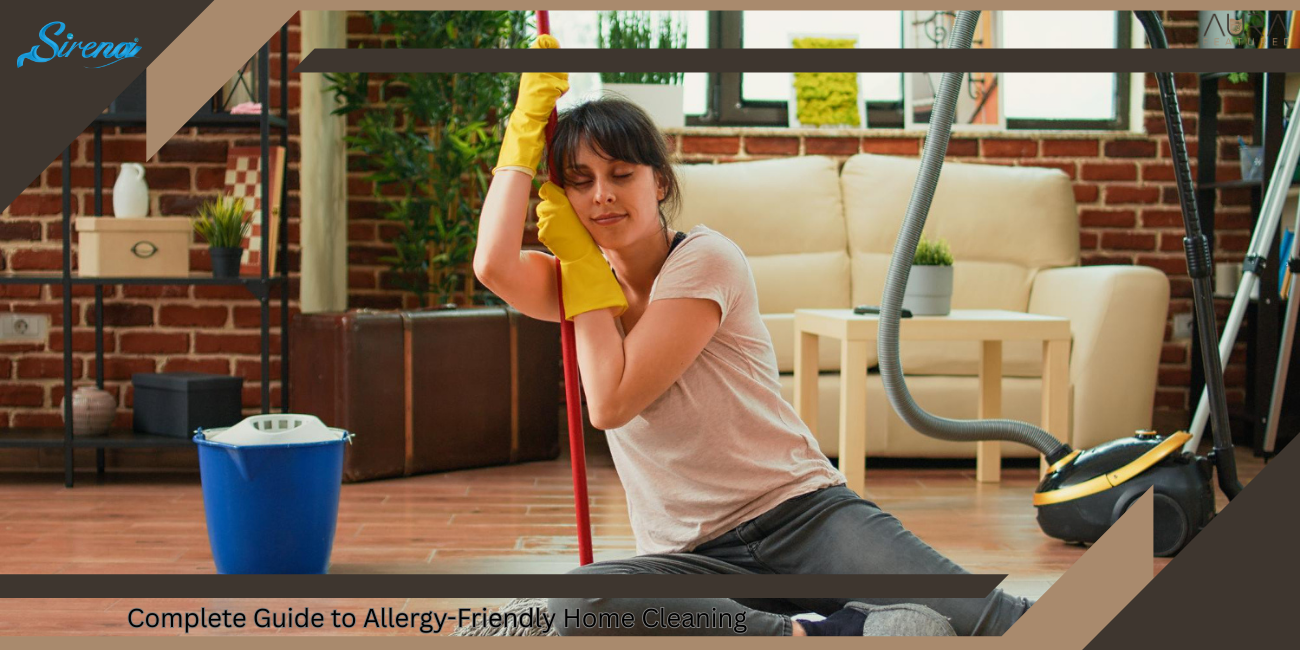
Allergy-friendly home cleaning is not about making your house smell fresh. It’s about removing the dust, allergens, and particles that trigger sneezing, congestion, and breathing issues. This guide explains how to clean your home the right way using safer methods, better tools, and smart habits that actually improve indoor air quality.
TABLE OF CONTENTS
-
Introduction
-
Why Allergy-Friendly Cleaning Matters
-
Common Household Allergy Triggers
-
Cleaning Habits That Make Allergies Worse
-
Core Principles of Allergy-Friendly Home Cleaning
-
Choosing the Right Cleaning Tools
-
Why Vacuum Choice Is Critical
-
How Water Filtration Helps With Allergies
-
Allergy-Safe Cleaning by Room
-
How Often Should You Clean for Allergies
-
Frequently Asked Questions
-
Final Thoughts
INTRODUCTION
If someone in your home struggles with allergies, cleaning can feel like a never-ending battle. You clean one day, and the dust is back the next. That’s because most homes are cleaned in ways that move allergens around instead of removing them.
True allergy friendly home cleaning focuses on trapping allergens, not spreading them. In 2026, with tighter homes and more time spent indoors, cleaning methods matter more than ever.
This guide breaks down how to clean smarter so your home actually feels easier to breathe in.
WHY ALLERGY-FRIENDLY CLEANING MATTERS
Allergens don’t just sit on surfaces. They float in the air, settle into carpets, and hide in furniture.
Poor cleaning methods can cause:
-
Increased allergy symptoms
-
Irritated eyes and throat
-
Poor sleep quality
-
Lingering dust even after cleaning
For children, pets, and anyone with asthma or allergies, this can seriously affect daily comfort.
COMMON HOUSEHOLD ALLERGY TRIGGERS
Understanding what you’re dealing with helps you clean effectively.
Dust Mites
Found in bedding, carpets, and upholstered furniture.
Pet Dander
Microscopic flakes that stay airborne for hours.
Pollen
Brought in through clothes, shoes, and open windows.
Mold Spores
Often hidden in damp areas like bathrooms and basements.
Vacuum Exhaust Dust
Released back into the air by poor filtration systems.
CLEANING HABITS THAT MAKE ALLERGIES WORSE
Many people unknowingly make allergies worse by:
-
Dry dusting surfaces
-
Using strong chemical sprays
-
Vacuuming with poor filtration
-
Shaking out rugs indoors
-
Ignoring mattress and upholstery cleaning
These habits spread allergens instead of removing them.
CORE PRINCIPLES OF ALLERGY-FRIENDLY HOME CLEANING
Effective allergy-safe cleaning follows a few simple rules.
Trap, Don’t Scatter
Always use methods that capture dust instead of pushing it into the air.
Clean From Top to Bottom
Dust falls downward. Start high, finish low.
Focus on Soft Surfaces
Carpets, sofas, and bedding hold the most allergens.
Consistency Beats Intensity
Regular cleaning works better than occasional deep cleans.
CHOOSING THE RIGHT CLEANING TOOLS
The tools you use matter more than the products.
Microfiber Cloths
They trap dust better than cotton cloths.
Damp Cleaning
Moisture keeps allergens from becoming airborne.
Washable Tools
Avoid disposable products that release dust when handled.
WHY VACUUM CHOICE IS CRITICAL
Vacuuming is the most important part of allergy-friendly home cleaning.
Traditional Vacuums
Many bagless and even HEPA models allow fine particles to escape through exhaust air, especially as filters clog.
The Problem With Filter-Only Systems
Filters trap particles temporarily but can release dust during emptying or over time.
This is where many allergy sufferers struggle.
HOW WATER FILTRATION HELPS WITH ALLERGIES
Water filtration works differently.
Instead of relying only on dry filters, allergens are trapped inside water, where they stay contained.
Benefits include:
-
Reduced airborne allergens
-
Cleaner exhaust air
-
Less dust circulation during cleaning
-
Improved comfort for allergy sufferers
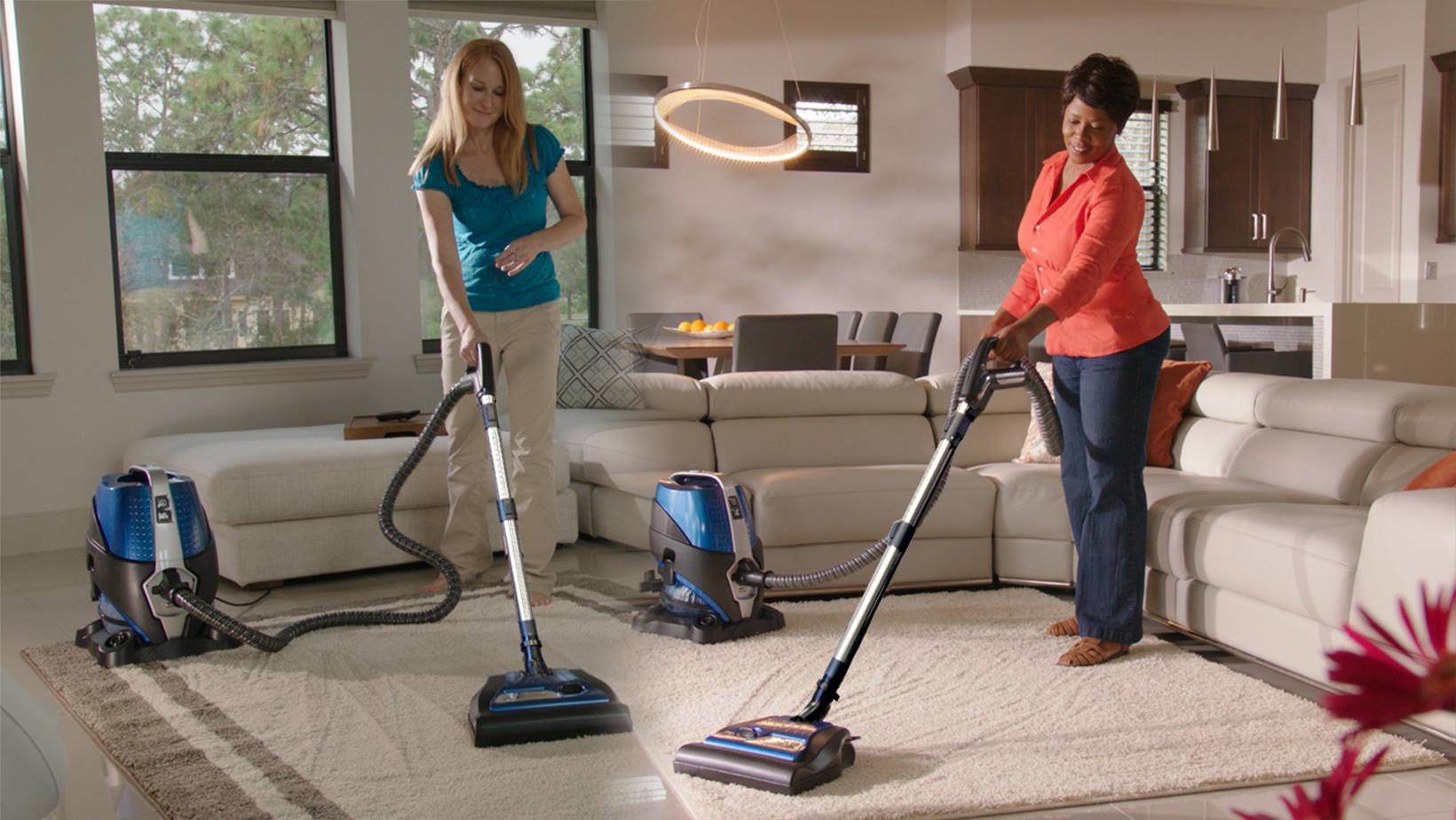
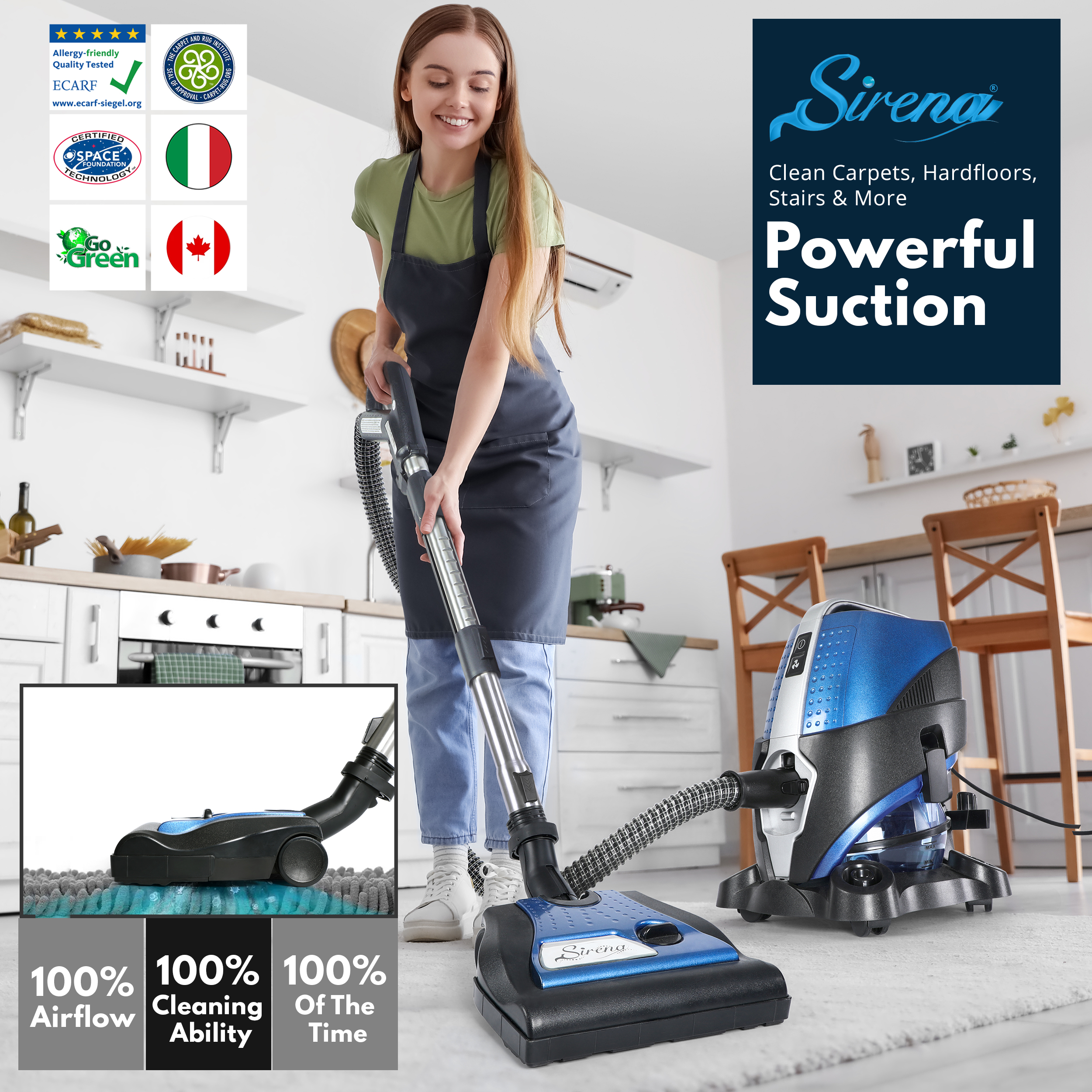
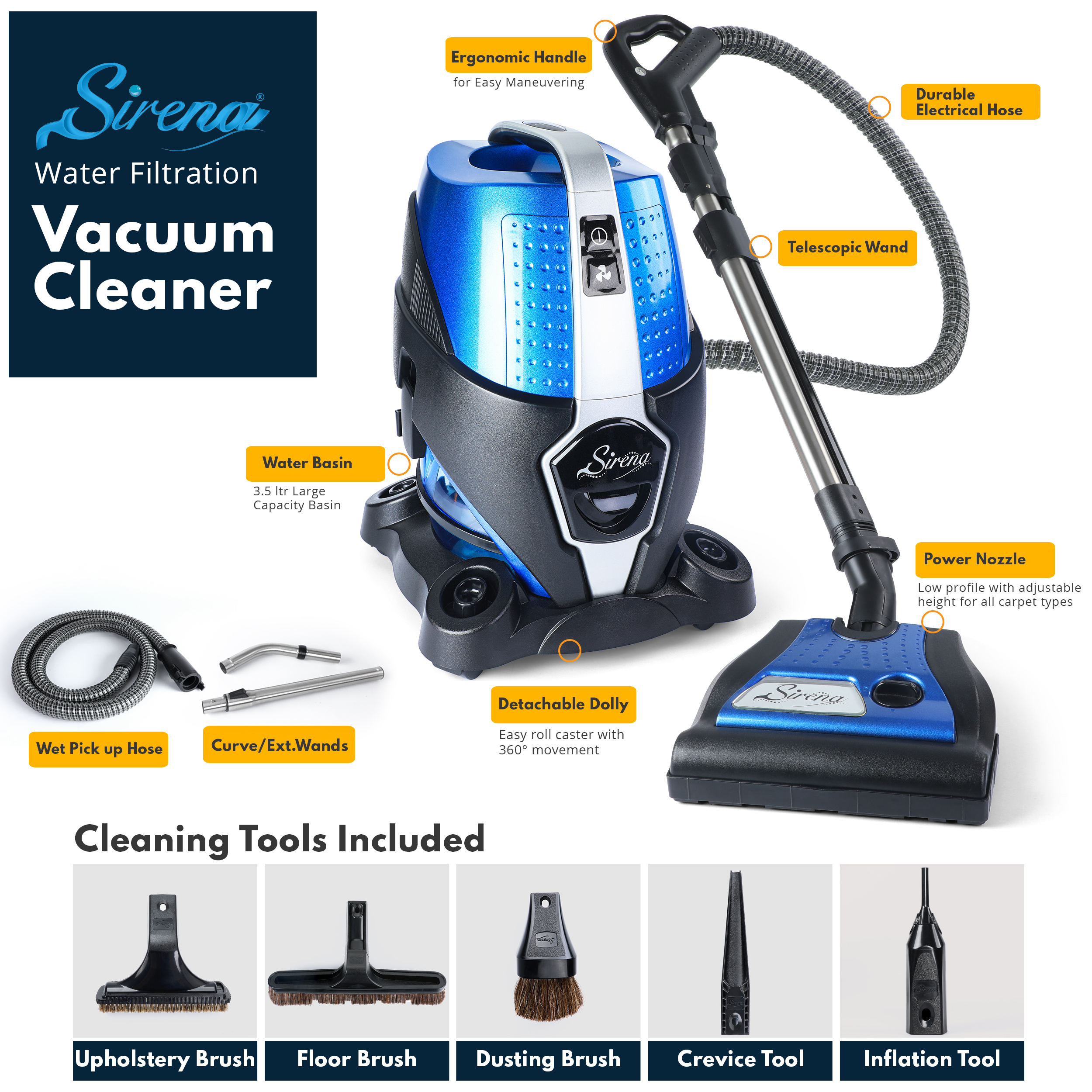
Sirena water filtration vacuum systems are designed to trap dust, pollen, and pet dander in water instead of releasing it back into the air.
ALLERGY-SAFE CLEANING BY ROOM
Bedrooms
Wash bedding weekly in hot water. Vacuum mattresses and carpets using a water filtration system.
Living Rooms
Focus on rugs, sofas, and curtains where allergens build up.
Kitchens
Avoid harsh sprays. Clean floors regularly to remove tracked-in pollen and dust.
Homes With Pets
Frequent vacuuming is essential. Water filtration helps trap dander instead of redistributing it.
HOW OFTEN SHOULD YOU CLEAN FOR ALLERGIES?
For most allergy-sensitive homes:
-
Light cleaning: 2–3 times per week
-
Vacuum carpets and rugs: at least twice weekly
-
Wash bedding: weekly
-
Deep clean upholstery: monthly
Consistency is more important than aggressive cleaning.
FREQUENTLY ASKED QUESTIONS
What is allergy friendly home cleaning?
It focuses on removing allergens completely instead of spreading them through the air.
Is vacuuming bad for allergies?
Only if the vacuum releases dust back into the room.
Are water filtration vacuums better for allergies?
Yes. They trap allergens in water and reduce airborne particles.
Do chemical cleaners help with allergies?
No. They can worsen air quality and irritate airways.
Can allergy-friendly cleaning reduce symptoms?
Yes. Many people notice fewer symptoms with proper cleaning methods.
FINAL THOUGHTS
Effective allergy friendly home cleaning is about smarter techniques, not stronger chemicals.
By improving ventilation, using damp cleaning methods, and choosing systems that trap allergens properly, you can make your home noticeably easier to breathe in.
Water filtration vacuum systems like Sirena offer a practical solution for allergy-sensitive households by keeping dust and allergens contained instead of circulating through the air.
Cleaner air starts with better cleaning habits.