How to Build a Bedroom That Helps You Sleep Better
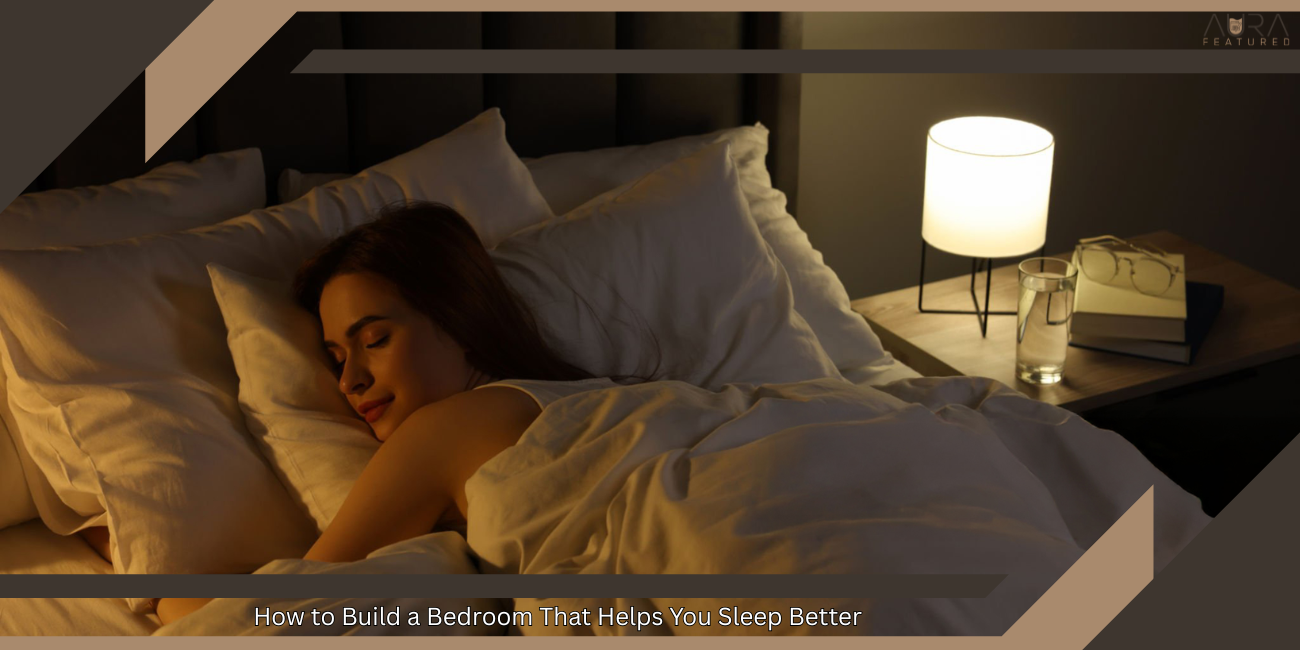
If you’re struggling with restless nights, your routine might not be the real problem your environment could be. Learning how to build a bedroom that helps you sleep better starts with understanding that sleep is deeply influenced by your surroundings. From lighting and layout to scent and sound, every detail in your bedroom quietly affects how easily you fall asleep and how well you stay asleep.
Most people focus on mattresses and pillows, which are important, but they overlook the bigger picture. A sleep-friendly bedroom isn’t just comfortable it’s intentional. It’s designed to signal your brain that it’s time to wind down, disconnect, and recover.
This guide walks you through the key elements that transform an average bedroom into a space that actively supports deeper, better sleep.
Why Your Bedroom Environment Matters for Sleep
Sleep is not just a biological process it’s also behavioral and environmental. Your brain associates spaces with activities. If your bedroom feels like an extension of your office, entertainment area or storage room, your mind won’t easily switch into rest mode.
A well-designed bedroom creates psychological cues. It tells your body, “This is where we relax.” Over time, this association can significantly improve both sleep quality and consistency.
The goal isn’t perfection. It’s alignment making sure every element of your room supports rest rather than disrupts it.
Optimize Lighting for Natural Sleep Cycles
Light is one of the most powerful signals for your internal clock. The way your bedroom is lit can either support your circadian rhythm or completely throw it off.
Use Warm, Low Lighting at Night
Bright white or blue-toned lights can trick your brain into thinking it’s still daytime. In the evening, switch to warm, dim lighting that mimics sunset.
Soft bedside lamps or indirect lighting work better than overhead lights. This creates a gradual transition into sleep rather than a sudden shift.
Block Out External Light
Even small amounts of light from street lamps or passing cars can interrupt deep sleep. Blackout curtains or thick blinds can make a noticeable difference, especially if you live in a busy area.
Let Natural Light In During the Day
A sleep-friendly bedroom isn’t just about nighttime. Exposure to natural light in the morning helps regulate your sleep cycle and improves nighttime rest.
Choose the Right Mattress and Bedding
Comfort plays a direct role in sleep quality, but it’s also highly personal. What matters most is support and consistency.
Focus on Support, Not Just Softness
A mattress should keep your spine aligned while still feeling comfortable. Too soft or too firm can both lead to discomfort and frequent waking.
If you wake up with aches or feel unrested, your mattress might be the issue even if it seemed fine when you bought it.
Invest in Breathable Bedding
Temperature regulation is critical for sleep. Materials like cotton, linen, or bamboo allow airflow and prevent overheating.
Heavy, synthetic fabrics can trap heat and disrupt your ability to stay asleep.
Control Temperature for Deeper Sleep
Your body naturally cools down as you prepare to sleep. If your bedroom is too warm, this process is disrupted.
Find Your Ideal Temperature Range
Most people sleep best in a slightly cool room typically between 16–20°C (60–68°F). You don’t need to hit an exact number, but cooler is generally better than warmer.
Use Layers Instead of One Heavy Blanket
Layering allows you to adjust throughout the night without fully waking up. A combination of a light sheet and a medium blanket often works better than one thick duvet.
Reduce Noise and Create a Calm Sound Environment
Noise can be one of the most underestimated sleep disruptors. Even if you think you’ve “gotten used to it,” your brain still processes sound during sleep.
Minimize Sudden Noise
If your environment is unpredictable traffic, neighbors or household noise consider solutions like white noise machines or fans. These create a consistent background sound that masks disruptions.
Keep the Bedroom Quiet and Purposeful
Avoid placing TVs or loud electronics in the bedroom. The goal is to create a space that feels calm and undistracting.
Declutter and Simplify Your Space
A cluttered room often leads to a cluttered mind. Visual noise can create subtle stress, making it harder to relax.
Keep Only What You Need
Your bedroom doesn’t need to serve multiple purposes. Limit it to essentials bed, storage and minimal décor.
Create a Sense of Order
Even small changes, like organizing your bedside table or clearing surfaces, can make the room feel more peaceful.
A clean, simple environment helps your brain shift into rest mode more easily.
Use Scent to Signal Relaxation
Scent is one of the most powerful tools for creating a sleep-friendly environment. Certain fragrances can help your body relax and prepare for rest.
Choose Calming Fragrances
Lavender, chamomile, and sandalwood are commonly associated with relaxation. These scents can reduce stress and create a sense of calm.
Keep It Subtle
The goal isn’t to fill the room with strong fragrance. A light, consistent scent works better than something overwhelming.
Using a diffuser or a lightly scented pillow spray can be enough to create the effect.
Limit Screens and Blue Light Exposure
Technology is one of the biggest barriers to good sleep. Screens emit blue light, which interferes with melatonin production the hormone responsible for sleep.
Create a Screen-Free Zone
Try to keep phones, laptops, and TVs out of the bedroom, or at least limit their use before bed.
Set a Wind-Down Routine
Even 30–60 minutes without screens before sleep can make a noticeable difference. Replace scrolling with reading, journaling or simply relaxing.
Choose Colors That Promote Calmness
Color has a psychological impact that often goes unnoticed. The tones in your bedroom can influence how relaxed or alert you feel.
Stick to Soft, Neutral Tones
Blues, soft greys, and muted earth tones tend to promote calmness. Bright, bold colors may look appealing but can feel stimulating over time.
Keep the Palette Consistent
A cohesive color scheme creates a sense of harmony, making the space feel more restful.
Quick Comparison: What Helps vs. What Hurts Sleep
Pros & Cons of a Sleep-Optimized Bedroom
Who Is This For
A sleep-optimized bedroom isn’t just for people with severe sleep problems it’s for anyone who wants better rest.
This approach is especially helpful for:
-
People struggling with light or inconsistent sleep
-
Remote workers who need better boundaries between work and rest
-
Anyone dealing with stress or mental fatigue
-
Individuals looking to improve overall health and energy levels
If you wake up feeling tired, your environment may be part of the problem.
Final Verdict: Build for Sleep, Not Just Style
Designing a bedroom that helps you sleep better isn’t about expensive upgrades or perfect aesthetics. It’s about intention.
When lighting is soft, the temperature is right, the space is calm, and distractions are minimized, your bedroom becomes more than just a place to sleep it becomes a place that supports recovery.
Small changes can have a big impact. You don’t need to redesign everything overnight. Start with one or two improvements, and build from there.
Better sleep doesn’t always come from doing more it often comes from changing your environment.
FAQ: How to Build a Bedroom That Helps You Sleep Better
1. What is the most important factor for better sleep?
Lighting and temperature are two of the most critical factors, as they directly affect your body’s natural sleep cycle.
2. Should I remove my TV from the bedroom?
Yes, if possible. TVs can create mental stimulation and expose you to blue light, both of which interfere with sleep.
3. What colors are best for a sleep-friendly bedroom?
Soft blues, greys, and neutral tones are known to promote relaxation and calmness.
4. How can I reduce noise while sleeping?
White noise machines, fans, or even earplugs can help minimize disruptive sounds.
5. Is scent really effective for sleep?
Yes, certain scents like lavender can promote relaxation and help signal your body that it’s time to sleep.
6. How long before bed should I avoid screens?
Ideally, at least 30–60 minutes before bedtime.
7. Can small changes really improve sleep quality?
Absolutely. Even simple adjustments like dimming lights or decluttering can make a noticeable difference.
A better bedroom leads to better sleep and better sleep improves everything else.