How to Choose the Right Kitchen Appliances for Everyday Use
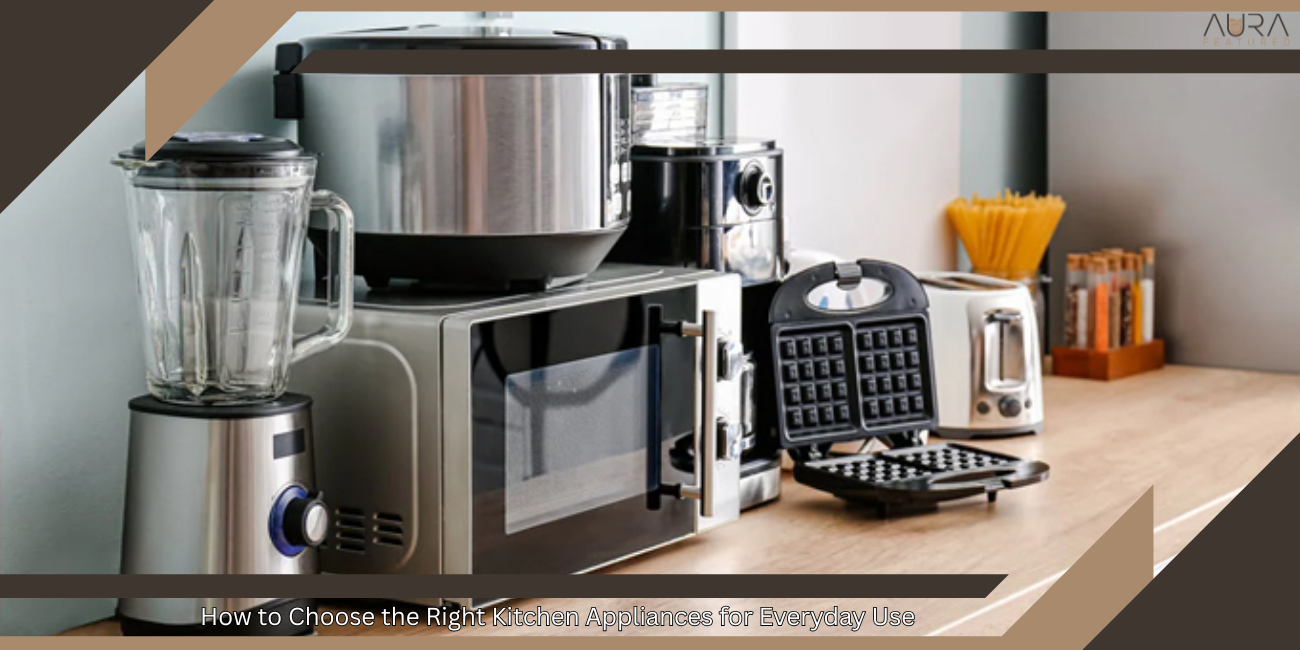
Choosing the right tools for your kitchen can feel overwhelming, especially with so many options available. Understanding how to choose the right kitchen appliances for everyday use comes down to one simple principle: buy what you’ll actually use, not what looks impressive.
Modern kitchens are filled with devices designed to make cooking faster and easier. From blenders and microwaves to multicookers and toasters, each appliance serves a specific purpose. But not every appliance deserves a spot in your kitchen. The goal is to build a setup that supports your daily routine—not complicates it.
This guide breaks down how to choose appliances that are practical, efficient, and genuinely useful in everyday life.
Understand What “Everyday Use” Really Means
Before buying anything, step back and think about your habits.
A kitchen is primarily a space for preparing and cooking food, often equipped with essential appliances like stoves, refrigerators, and microwaves.
But beyond essentials, your daily usage defines what you actually need.
Ask yourself:
-
What meals do you cook most often?
-
Do you prefer quick cooking or detailed recipes?
-
How much time do you spend in the kitchen daily?
For example, if you rarely bake, you probably don’t need a stand mixer. If you make smoothies daily, a good blender becomes essential.
The right appliance is the one that fits your routine not someone else’s.
Prioritize Multi-Functional Appliances
One of the smartest ways to choose appliances is to look for versatility.
Many modern devices are designed to perform multiple functions. For example, a multicooker can boil, steam, fry, and even bake all in one unit.
Why This Matters
Instead of filling your kitchen with multiple gadgets, you can:
-
Save space
-
Reduce clutter
-
Simplify your workflow
A food processor is another great example. It can chop, slice, mix, and sometimes even juice replacing several separate tools.
When Not to Go Multi-Functional
If you frequently perform one specific task (like espresso brewing or baking), a specialized appliance may still be better.
Consider Your Kitchen Space and Layout
Your kitchen size should heavily influence your choices.
A well-designed kitchen focuses on functionality, layout and efficient use of space.
Avoid Countertop Clutter
Too many appliances can quickly overwhelm your space. Experts often recommend prioritizing frequently used items and storing the rest to maintain a clean and functional kitchen.
Think About Placement
When choosing appliances:
-
Keep daily-use items easily accessible
-
Store occasional-use appliances in cabinets or pantry
-
Ensure proper ventilation for heat-producing devices
A compact kitchen benefits from fewer, more versatile appliances, while larger kitchens can handle more specialized tools.
Focus on Core Essential Appliances First
Before exploring extras, make sure your basics are covered.
A typical kitchen includes appliances that support cooking, storage, and food preparation.
Everyday Essentials Include:
-
Refrigerator (food storage)
-
Stove or cooktop (cooking)
-
Microwave (quick heating)
-
Blender or food processor (prep work)
-
Toaster (quick meals)
A toaster, for example, is a simple appliance designed specifically for browning bread using heat.
Start with essentials, then expand based on your lifestyle.
Evaluate Ease of Use and Maintenance
An appliance that’s hard to use will quickly become one you avoid.
Look for Simplicity
Choose appliances with:
-
Clear controls
-
Easy setup
-
Minimal learning curve
Complicated devices often end up unused, no matter how advanced they are.
Maintenance Matters More Than You Think
Regular cleaning is essential to keep appliances functioning properly and hygienic.
If something is difficult to clean, you’re less likely to use it consistently.
Energy Efficiency and Long-Term Value
Appliances aren’t just a one-time purchase they impact your daily energy use.
Why Efficiency Matters
-
Reduces electricity bills
-
Supports sustainability
-
Extends appliance lifespan
While energy-efficient appliances may cost more upfront, they often save money over time.
Build Around Your Cooking Style
Your cooking habits should guide every decision.
For Quick and Simple Cooking
-
Microwave
-
Air fryer
-
Toaster
For Healthy Cooking
-
Steamer
-
Blender (for smoothies)
-
Juicer
For Versatile Cooking
-
Multicooker
-
Food processor
The goal is to match appliances with how you actually cook not how you think you should cook.
Quality vs. Quantity: Buy Less, Choose Better
It’s tempting to buy multiple appliances at once, but this often leads to clutter and regret.
Instead:
-
Invest in fewer, high-quality appliances
-
Choose durable materials
-
Prioritize reliability over features
A single reliable appliance is more valuable than several rarely used ones.
Comparison: Smart Buying vs. Overbuying
Pros & Cons of Choosing Appliances Carefully
Common Mistakes to Avoid
Even smart buyers fall into these traps:
Buying Based on Trends
Just because an appliance is popular doesn’t mean you’ll use it.
Ignoring Space Limitations
Large appliances in small kitchens quickly become frustrating.
Overestimating Usage
Be honest about your habits most people use only a few appliances regularly.
Choosing Features Over Function
More features don’t always mean better usability.
Who Is This For
This guide is ideal for:
-
New homeowners setting up a kitchen
-
Renters working with limited space
-
Busy individuals who want efficient cooking tools
-
Anyone looking to simplify their kitchen setup
If your kitchen feels cluttered or inefficient, your appliance choices might be the reason.
Final Verdict: Choose What You’ll Actually Use
The best kitchen appliances aren’t the most advanced—they’re the ones that fit seamlessly into your daily life.
Focus on:
-
Function over features
-
Quality over quantity
-
Practicality over trends
Start with essentials, add versatile tools, and build your kitchen gradually.
A well-chosen appliance doesn’t just make cooking easier it makes your entire routine smoother.
FAQ: Choosing Kitchen Appliances for Everyday Use
1. What are the most important kitchen appliances to start with?
Refrigerator, stove, microwave, and a basic prep tool like a blender or food processor.
2. Should I buy multi-functional appliances?
Yes, especially if you have limited space they save room and reduce clutter.
3. How do I avoid buying unnecessary appliances?
Focus on your daily cooking habits and avoid trend-based purchases.
4. Are expensive appliances always better?
Not always, but higher-quality appliances tend to last longer and perform better.
5. How many appliances should a kitchen have?
Only as many as you use regularly quality and utility matter more than quantity.
6. What’s the biggest mistake people make?
Buying appliances they rarely use, leading to clutter and wasted money.
7. How can I keep my kitchen organized with appliances?
Keep daily-use items accessible and store occasional-use appliances out of sight.
A smarter kitchen starts with smarter choices and the right appliances can make everyday cooking feel effortless.