Why Minimalist Home Offices Help You Work Better
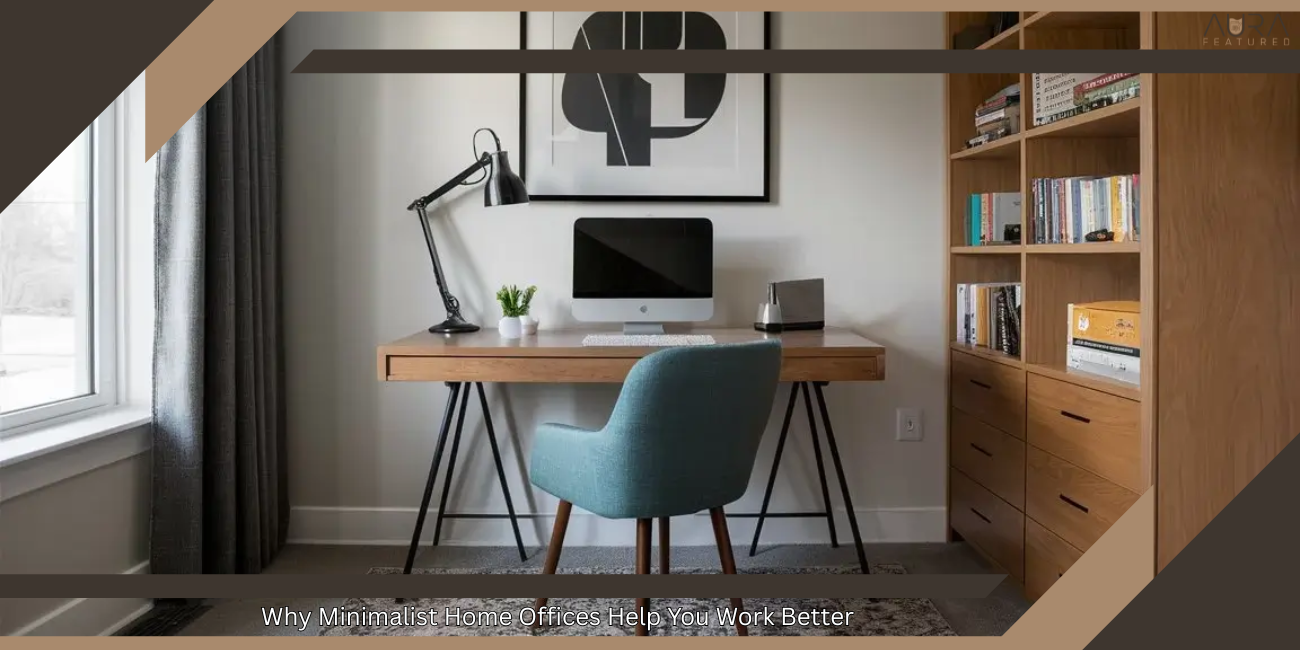
A cluttered workspace doesn’t just look messy it affects how you think, focus, and perform. Understanding why minimalist home offices help you work better starts with a simple idea: fewer distractions lead to clearer thinking. When your environment is stripped down to only what matters, your mind follows.
Working from home has blurred the lines between personal and professional spaces. It’s easy for desks to become storage zones, for cables to pile up, and for visual clutter to creep in. Over time, this chaos quietly drains your energy and attention.
Minimalism isn’t about empty rooms or rigid design rules. It’s about intention keeping what supports your work and removing what doesn’t. This approach creates a workspace that feels calm, efficient, and easier to engage with every day.
The Link Between Environment and Productivity
Your workspace constantly sends signals to your brain. A crowded desk filled with unrelated items forces your attention to split, even when you’re trying to focus.
Research in environmental psychology suggests that visual clutter competes for your attention, reducing your ability to process information efficiently. In contrast, a clean and simple environment allows your brain to direct energy toward meaningful tasks.
Minimalist home offices work because they reduce this background noise. With fewer visual interruptions, your mind can stay engaged longer without fatigue.
Less Clutter, More Focus
One of the most immediate benefits of a minimalist workspace is improved focus.
Reducing Decision Fatigue
Every item in your field of vision demands a small amount of attention. Over time, these micro-distractions add up, making it harder to stay on track.
By removing unnecessary objects, you eliminate these constant interruptions. Your brain doesn’t have to filter out irrelevant information—it can simply focus on the task at hand.
Creating a Clear Work Zone
A minimalist desk defines a clear boundary between work and everything else. This clarity helps your brain switch into “work mode” more easily, especially if you’re working from home.
Improved Mental Clarity and Reduced Stress
A messy workspace often mirrors a cluttered mind. Even if you don’t consciously notice it, disorganization can create subtle stress.
A Calmer Visual Environment
Minimalist offices feel calm because they limit visual complexity. Neutral colors, simple layouts, and open space create a sense of order.
This calmness reduces cognitive overload, making it easier to think clearly and solve problems.
Lower Stress Levels
When everything has a place and there’s no excess clutter, you spend less time searching for items or feeling overwhelmed. This reduces frustration and creates a smoother workflow.
Better Time Management and Efficiency
Minimalism doesn’t just improve how you feel it improves how you work.
Faster Task Switching
In a cluttered environment, switching between tasks often means searching for documents, tools, or notes. In a minimalist setup, everything you need is within reach and easy to find.
Streamlined Workflow
A simple workspace encourages efficient habits. You’re more likely to keep things organized because there’s less to manage.
This creates a positive cycle: less clutter leads to better organization, which leads to improved productivity.
Enhanced Creativity Through Simplicity
It might seem counterintuitive, but reducing visual input can actually boost creativity.
Giving Your Mind Space
When your environment is overloaded, your brain spends energy processing distractions. A minimalist space frees up mental bandwidth, allowing ideas to flow more naturally.
Encouraging Deep Work
Creative thinking often requires uninterrupted focus. A simple, distraction-free environment makes it easier to enter a state of deep work, where your best ideas tend to emerge.
Easier Maintenance and Long-Term Consistency
One of the overlooked advantages of minimalism is how easy it is to maintain.
Less to Clean and Organize
With fewer items on your desk, daily cleanup takes minutes instead of hours. This makes it easier to stay consistent.
Sustainable Habits
A minimalist workspace encourages intentional choices. You’re less likely to accumulate unnecessary items because each addition has to justify its place.
Design Elements That Make a Minimalist Office Work
Minimalism isn’t just about removing things it’s about choosing the right elements.
Functional Furniture
Choose a desk and chair that support your work without adding bulk. Clean lines and simple designs work best.
Neutral Color Palette
Soft tones like white, grey, or muted earth colors create a calm background that doesn’t compete for attention.
Smart Storage Solutions
Hidden storage helps maintain a clean look while keeping essential items accessible. Drawers, organizers, and cable management can make a big difference.
Intentional Décor
A minimalist space doesn’t have to feel empty. One or two meaningful items like a plant or a piece of art can add personality without creating clutter.
Minimalist vs. Cluttered Workspace: A Quick Comparison
Pros & Cons of Minimalist Home Offices
Common Mistakes When Going Minimalist
While minimalism is powerful, it’s easy to take it too far.
Over-Simplifying
Removing everything can make your workspace feel sterile or uninspiring. The goal is balance, not emptiness.
Ignoring Functionality
A minimalist office still needs to support your workflow. Don’t sacrifice comfort or practicality for aesthetics.
Lack of Personal Touch
A completely impersonal space can feel disconnected. Adding one or two meaningful items helps maintain a sense of ownership.
Who Is This For
Minimalist home offices are ideal for people who want to work more efficiently and with less stress.
They’re especially beneficial for:
-
Remote workers who need a clear separation between home and work
-
Professionals dealing with high cognitive workloads
-
Creatives who require focused, distraction-free environments
-
Anyone feeling overwhelmed by clutter or disorganization
If you often feel distracted or mentally drained while working, your environment may be contributing more than you realize.
Final Verdict: Simplicity Drives Better Work
Minimalist home offices work because they remove friction. They reduce distractions, improve focus, and create a space where your mind can operate at its best.
You don’t need to redesign everything overnight. Start by removing what you don’t use, organizing what you keep, and simplifying your setup step by step.
The goal isn’t to have less it’s to have only what supports your work.
When your environment is clear, your thinking becomes clearer too.